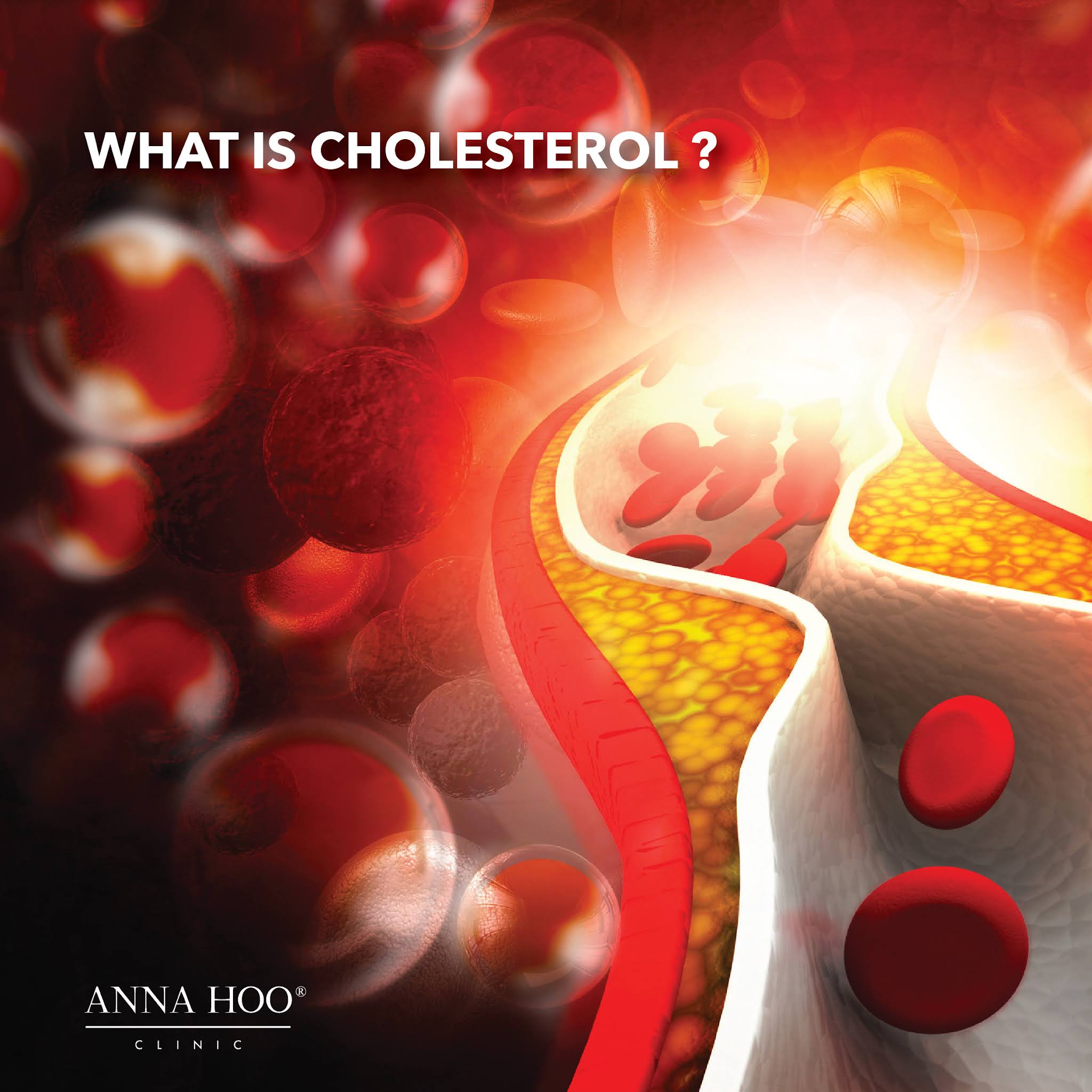
What is Cholesterol?


Most of us are aware that high cholesterol has become one of the common metabolic syndromes which contributes to health risks such as heart attack and stroke. As we age, cholesterol levels might increase with the triggers from environmental factors such as food, stress, and a sedentary lifestyle. A routine blood test and adjustment of lifestyle help to reverse the illness. Unfortunately most of the time it is not been taken seriously because high cholesterol does not manifest symptoms. 

What is Cholesterol?

Cholesterol is a soft fatty substance mainly produced in the liver and also found in animal-derived food. Not all types of cholesterol are bad for your health. Cholesterol in the blood is carried by a protein transporter called a lipoprotein. High-density lipoprotein (HDL) is known as “good” cholesterol which supports heart health while Low-density lipoprotein (LDL) is known as “bad” cholesterol which deteriorates our health.  

Functions of cholesterol and side effects of high LDL cholesterol.

Cholesterol assists in the production of vital substances such as hormones, bile acids, and vitamin D in our body. It is also a building block for human tissues which helps to maintain the integrity and fluidity of the cell membranes. Hence, it is important for the body to produce cholesterol for optimum cell functioning. The problem starts when over-production of cholesterol or overconsumption of fatty food leads to high LDL cholesterol in the blood.

Excess LDL cholesterol joins with fats and other materials to build up in the inner wall of blood vessels creating plaque. The plaque causes narrowing of the blood vessel and blocks blood from flowing normally. The risk of heart attack and stroke occurs when the plagues break loose and block the flow of blood and oxygen to the heart and brain tissues respectively. To avoid such incidents to happen, it is recommended to keep the LDL and HDL cholesterol levels in the normal range. Unlike LDL cholesterol, HDL cholesterol promotes cardiovascular health by removing the “bad” cholesterol from the blood vessel and eliminate it through the liver.

Possible triggers and prevention of Hypercholesterolemia.

1) Genetics

High cholesterol can be inherited but it depends on the lifestyle which makes it to be treatable.

2) Diet

A poor diet with a high intake of processed food, fast food, fried food, and an excessive amount of animal products may increase the cholesterol level.

Food high in cholesterol includes internal organs, egg yolk, fish roe, squid, and cuttlefish.  Limit intake of dairy products, meat, and poultry as it is a moderately high cholesterol food. Choose food with less or no cholesterol such as vegetables, fruits, beans, and fish. Consume food high in healthy fats such as olives, avocado, salmon, tuna, chia seed, flaxseed, nuts, and sacha inchi oil to increase good cholesterol HDL.

Watch out of the food labels with “cholesterol-free” because most of the time this processed food may not contain cholesterol but rich in Trans fat and saturated fat which may trigger the liver to produce cholesterol in the body. Check on the nutritional labelling and ingredient list for a better understanding of the fat intake. 

3) Lack of exercise

Inactiveness causes an increase in LDL cholesterol therefore recommended to do 30 minutes of cardio exercises 5 days a week. Active lifestyle promotes the production of HDL cholesterol. Being overweight or obese also impacts your cholesterol levels.

4) Smoking and alcohol drinking

Cigarette smoking and alcohol contribute to inflammation and triggers cholesterol deposits in the blood vessels. Smoking also reduces the “good” cholesterol HDL in the blood and on the other hand, drinking alcohol may increase triglyceride production. Therefore quit smoking and limit alcohol intake may help to reverse and prevent hypercholesterolemia.

5) Stress and sleep

High-stress level spikes the cortisol hormone production which eventually causes the body to demand to make more cholesterol. Hence, relieve stress through activities such as exercise, meditation and also catch up with your sleep. Sleeping early and a minimum of 7 hours of sleep may stimulate the body’s healing and recovery process.

In conclusion, high cholesterol condition matters and it is a reversible condition with a healthy lifestyle practice. Therefore when it comes to cholesterol, follow 3C key points which are CHECK, CHANGE, and CONTROL.

By Nutritionist

Moga
Anna Hoo Clinic


REFERENCES

Zampelas.A* and Magriplis.E. New Insights into Cholesterol Functions: A Friend or an Enemy? Nutrients. 2019 Jul; 11(7): 1645.

American Heart Association. 2020. Understanding & Managing Cholesterol. https://www.heart.org/en/health-topics/cholesterol/hdl-good-ldl-bad-cholesterol-and-triglycerides


Omega-6 : Omega-3’s Counterpart


Omega-6 Fatty Acids

While we’re probably familiar about the importance of Omega-3 fatty acids by now, there is another form of polyunsaturated fatty acid – or ‘good fat’, that complements Omega-3 and is just as vital for health, which is Omega-6.  

What are Omega-6 Fatty Acids?

Just like Omega-3s, Omega-6 fatty acids are essential fatty acids, which means that we need to obtain them through food intake.

Omega-6 fatty acids play a role in providing energy, stimulating skin and hair growth, maintaining bone health, regulating metabolism and have been shown to treat symptoms of chronic diseases.

At the same time, Omega-6 fatty acids produce eicosanoids which play an important role in the immune system by fighting cell damage and regulating pain. However, too much of a good thing raises a concern as excessive pro-inflammatory eicosanoids increase the risk of inflammation.

In that case, do we actually need Omega-6?

Yes, based on the Malaysia Recommended Nutrient Intake 2017, Omega-6 intake is recommended at 3-7% of our total energy intake.

The increased risk of inflammation associated with Omega-6 isn’t due to Omega-6 fatty itself, but rather, due to the imbalance in intake of Omega 6 & Omega-3 (the anti-inflammatory fatty acid) characterized by our diet today, which involves low intake of Omega-3 but high intake of not only Omega-6, but also saturated fat and trans fat.

Hence, consuming a balanced amount of Omega-6 and Omega-3 plays the deciding factor towards reaping the benefits of both types of fat. The recommended healthy ratios of Omega-6 to Omega-3 intake are between 1-to-1 and 4-to-1.

To put into perspective, diet of the human hunter–gatherer population in the Paleolithic period, which included large amounts of both Omega-6 and Omega-3 in meat, plants, fish, nuts and berries presented a balanced ratio of 1-2:1, which made a significant contribution to human evolution by influencing and allowing cognitive development.

In contrast, the Omega-6/Omega-3 ratio of the typical Malaysian diet today is about 10:1, while Western diets have a much higher ratio of 15:1.


Benefits of Omega-6

·       Heart Health

When Omega-6 fatty acids are used to replace saturated fat (which is usually found in red meat, butter, coconut oil and dairy), there is a reduced risk of cardiovascular disease. Heart disease has been the leading cause of death in Malaysia for more than a decade, due to high prevalence of risk factors including obesity, smoking, high cholesterol, hypertension and diabetes, which is interrelated with nutrition as well. 

·       Diabetes

Gamma linolenic acid, a form of Omega-6, has been shown to reduce symptoms of nerve pain in type 1 and type 2 diabetes patients. Furthermore, it has been shown that those who had higher levels of omega-6 fatty acid in the form of linolenic acid were 35% less likely to develop type 2 diabetes.


How to Achieve a Balanced Ratio of Omega 6 & Omega 3

·       Rotate between different protein sources by substituting meat intake with fish, beans and pulses, which are lower in saturated fat, but higher in Omega 3 & 6.

·       In cooking or baking, swap butter and lard (which are high in saturated fat) with oils such as olive oil or avocado oil.

·       Select oils which are low in saturated fat, and contains a balanced amount of Omega 6 to Omega 3 ratio. Examples include:

o   Sacha inchi oil: 1: 1.3 Omega 6 to Omega 3 ratio

o   Flaxseed oil: 1: 3 Omega 6 to Omega 3 ratio

o   Chia seed oil: 1: 3 Omega 6 to Omega 3 ratio 

·       Limit deep fried foods, commercial baked goods, and processed foods which are high in trans fats.


By Nutritionist

Zuanne
Anna Hoo Clinic


References :

1.     Ministry of Health Malaysia. (2017). Recommended Nutrient Intake for Malaysia. Kuala Lumpur.

2.      Simopoulos AP. The importance of the ratio of omega-6/omega-3 essential fatty acids. Biomed Pharmacother. 2002 Oct;56(8):365-79. doi: 10.1016/s0753-3322(02)00253-6. PMID: 12442909.

3.     Farvid, M. S., Ding, M., Pan, A., Sun, Q., Chiuve, S. E., Steffen, L. M., ... & Hu, F. B. (2014). Dietary linoleic acid and risk of coronary heart disease: a systematic review and meta-analysis of prospective cohort studies. Circulation, 130(18), 1568-1578.

4.     Ministry of Health Malaysia. (2017). Clinical Practice Guidelines on Primary & Secondary Prevention of Cardiovascular Disease 2017. Malaysia. Retrieved from https://www.moh.gov.my/moh/resources/Penerbitan/CPG/CARDIOVASCULAR/3.pdf

5.     Wu, J. H., Marklund, M., Imamura, F., Tintle, N., Korat, A. V. A., De Goede, J., ... & for Heart, C. (2017). Omega-6 fatty acid biomarkers and incident type 2 diabetes: pooled analysis of individual-level data for 39 740 adults from 20 prospective cohort studies. The lancet Diabetes & endocrinology, 5(12), 965-974.


Nutrients You Need To Prevent Cutaneous Aging


Cutaneous aging is an aging process that involves both biological aging and extrinsic aging due to inflammations, pollutions, toxins exposure, poor nutrition, and sunlight. Cutaneous aging results in the degrading of skin features and results in wrinkling, loss of elasticity, laxity, pigmentation, and rough-textured appearance.

The skin is the largest and visible organ, it shows obvious signs of aging. When skin ages naturally it results in thin, dry skin, fine wrinkles, and gradual dermal atrophy. However, with induced skin aging through environmental challenges, the skin may exhibit coarse wrinkles, loss of elasticity, laxity, pigmentation, and rough-textured appearance.

To get a young and beautiful appearance, we can slow down skin aging and helps to recover skin damages through nutrients which has antioxidant and anti-inflammatory effects.

1) Vitamin C

Food source: citrus fruits, kiwi, bell pepper, berries, currant, guava, broccoli, and spinach

  •  Increases collagen synthesis in the skin
  •  Lightening of skin pigmentation
  •  UV sun protection

2) Vitamin E

Food source: Sunflower seed, hazelnut, avocado, squash, tomato, mango, almond, and kiwi

  • Work with vitamin C to protect skin damage from UV light
  • Prevent skin aging by inhibiting lipid peroxidation

3) Carotenoid

Food source: Cantaloupe, mangoes, papaya, carrots, sweet potatoes, spinach, and pumpkin

  • Reduction of sunburn
  • Protect against skin cancer

4) Vitamin D3

Source: Fatty fish like salmon, and, egg yolks

  • Contributes to skin cell growth, repair, and metabolism
  • Destroy free radicals that can cause premature aging

5) Polyphenols

Source: Cocoa powder, berries, olives, flaxseed, nuts, green tea, herbs, and spices

  • Inhibiting collagen degradation and increase collagen synthesis
  • Reduce skin inflammations

6) Proteins

Source: Fish, chicken, beef, lamb, pork, peas, dark green leafy vegetables, and broccoli

  • Repair of skin tissues
  • Provides collagen and elastin for skin firmness and elasticity

7) Water

  • Maintain skin internal balance and tissue function
  • Prevent skin dryness

8) Fatty acids (Omega 3)

Source: Salmon, olive oil, flaxseed, walnut, chia seed, and, sacha inchi oil

  • Promotes skin regeneration
  • Prevent serious skin diseases

9) Co-enzyme Q 10

Source: Meat, fish, broccoli, pistachios, lentils, soybean, cabbage, and, organ meat

  • Promote skin cells to repair
  • Reduce sun damage


Factors trigger skin aging

  • High trans-fat intake
  • High sugar and baked goods intake
  • Processed food
  • Alcohol intake
  • Smoking
  • Poor sleeping habit


By Nutritionist

Moga
Anna Hoo Clinic


References

Cao.C, Xiao.Z, Wu.Y and Ge.C. 2020. Diet and Skin Aging—From the Perspective of Food Nutrition. Nutrients. 2020 Mar; 12(3): 870.

Zhang. S and Duan. E. 2018. Fighting against Skin Aging. Cell Transplant. 2018 May; 27(5): 729–738.

Cho. S. 2014. The Role of Functional Foods in Cutaneous Anti-aging. J Lifestyle Med. 2014 Mar; 4(1): 8–16.


PROTEIN


What is protein?

Protein is a part of our cells and tissues in the body which is made up of amino acid blocks. Protein is the most essential component for energy, bone density, enzyme production, hormone production, tissue formation, and muscle growth. Our body skeletal muscles contain approximately 75% water, 20% protein, 1–10% fat, and 1% glycogen. There are two types of amino acids which are essential amino acids and non-essential amino acids.  Essential amino acids are the protein blocks our body cannot produce and can be sourced out from food while non-essential amino acids can be produced by our body.

Our body needs a complete protein which contains all the 9 types of essential amino acids to repair and grow. Food with complete protein is animal-based such as beef, fish, poultry, eggs, dairies, pea, and soy. Certain plant-based proteins such as lentils, nuts, seeds, vegetables, and whole grains may not have the complete essential amino acids that our body needs. Therefore it is important to have a balanced diet especially when you are a vegetarian. Protein supplements such as branched-chain amino acid (BCAA) and pea protein powder can be helpful in gaining muscle mass while on an exercise regime.

How much protein is enough? 

The protein requirement of an adult is based on the body mass. The minimum requirement for a healthy adult to prevent lean body mass loss is about 0.8g protein per kg body mass. However, recommended protein intake for physically active adults is between 1.2-2.0g protein per kg body mass.

Muscle gain happens when the protein synthesis is higher than the protein breakdown while muscle loss happens when the protein synthesis is lesser than protein breakdown. Hence it is important to take sufficient protein in every meals and do exercise to build skeletal muscles.

Below is the list of common food and the protein content:

  •  One large egg has 6 grams of protein
  • 100 grams of beef has about 26 grams of protein
  • 100 grams chicken breast has about 31 grams of protein
  •  One cup of dried beans has about 16 grams of protein
  •  One container (170g) of Greek yogurt has about 17 grams of protein
  • One cup of broccoli has about 3 grams of protein
  • 1 cashew has about 5 grams of protein
  • 100 grams salmon has about 22 grams of protein
  •  One cup of lentils has about 18 grams of protein
  • 30 grams of pea protein powder has about 25 grams of protein


By Nutritionist Moga
ANNA HOO CLINIC


Reference

Carbone J.W and Pasiakos S.M, 2019. Dietary Protein and Muscle Mass: Translating Science to Application and Health Benefit. Nutrients. 2019 May; 11(5): 1136.

Cataldo D, and Blair M. 2015. Protein intake for optimal muscle maintenance. American College of Sports Medicine. 

高“盐值”对人体健康的危害


“盐” 是我们日常饮食中必不可少的调味品。盐也是人体中必不可少的物质,它能调节人体内水份均衡的分布,维持细胞内外液渗透压。一说到高血压患者的饮食,很多人首先想到的是要 “少吃盐” 。其实盐背后的 “钠” 才是高血压发病的重要危险因素。钠的摄入对人体健康的影响不容小觑,它是人体保持血浆容量、酸碱平衡、神经脉传导和正常细胞功能不可或缺的元素。若钠摄入量过低,会发生食欲不振,四肢无力,疲惫虚弱,晕眩等现象;但是过量摄入则会增加罹患高血压、心脑血管疾病等的风险。

钠盐摄入过量导致的健康问题:

1. 高血压 - 钠盐与血压的水平是成正相关的,吃得越咸,人体钠摄入量越多,血压水平就越高。

2. 心血管疾病 - 人体内的钠量过多,会造成体内水滞留,导致血管内压力升高,阻力增大,照成心脏负荷加重,长期容易引发心脏肿大、心衰等疾病,增加动脉硬化的风险。

3. 加快肾脏老化 - 饮食中的盐分95%是由肾脏代谢排出的,如果过多的钠摄入,无疑会加重肾脏的负担。肾脏长期处于高滤过的超负荷工作状态,肾脏老化的速度就会加快,容易引发肾病。

4. 水肿 - 当过量摄入食盐,钠在体内含量过高引起血容量增加,体内组织间液增加。为了维持平衡,体内会锁住更多的水分来稀释这些盐分。体内积水增多就会出现水肿,肾脏的负荷也会加大。

合理的食盐摄入量?

世界卫生组织WHO规定建议健康成人每日食盐摄入量是少于5克(一茶匙)。马来西亚饮食治疗师协会也建议健康人群每日摄入低于2000毫克的钠(一茶匙食盐的量);美国心脏协会指南则建议高血压患者每天最多摄入1500毫克的钠。

常见的高钠食物:

主食(1份):咖喱面(2456mg), 槟城叻沙(2281mg), 炒面(2224mg), 炒粿条(1704mg), 炒饭(1465mg), 鸡饭(1287mg)


加工食品(每100克):罐头浓缩汤料(20000mg), 快熟面(2000mg),加工肉类如咸肉香肠火腿培根(>1500mg)


调味品(每100克):鸡精(18864mg), 味精(8160mg), 辣椒酱(8027mg), 豆瓣酱(6012mg), 酱油(5757mg), 咸鸭蛋(2706mg), 花生酱(2340mg)


低钠食品:每100克食物中的钠含量低于100mg

中钠食品:每100克食物中的钠含量介于100-600mg之间

高纳食品:每100克食物中的钠含量超过600mg


健康饮食建议:


1. 限制每日食盐摄入量,确保这一点的好方法是避免加工食品,减少使用高钠含量的调味料,选择用天然香料取代来烹调食物。


2. 避免摄入过多的酱料比如水果上的酸梅粉,沙拉里的沙拉酱,还有加在其他食物里的酱油和番茄酱等。


3. 选择新鲜的蔬菜,水果,肉类,鱼类,海鲜。可选择富含高钾的食物包括:豆类,坚果,蔬菜(菠菜,花椰菜,南瓜等),水果(木瓜,柑橘等)。


随着人们生活方式的改变,在外用餐或者点外卖也越来越频繁。餐馆的食物普遍重口味,同样加工食品也是以高盐含量居多。高盐饮食正不知不觉中危害着大家的健康。对于很多慢性疾病来说,改变生活饮食方式是第一步。我们能做的就是在平日生活中尽量降低盐的摄入量,保持健康的饮食、生活习惯,守护好自己的健康。


Lara 营养师
Anna Hoo Clinic